 By admin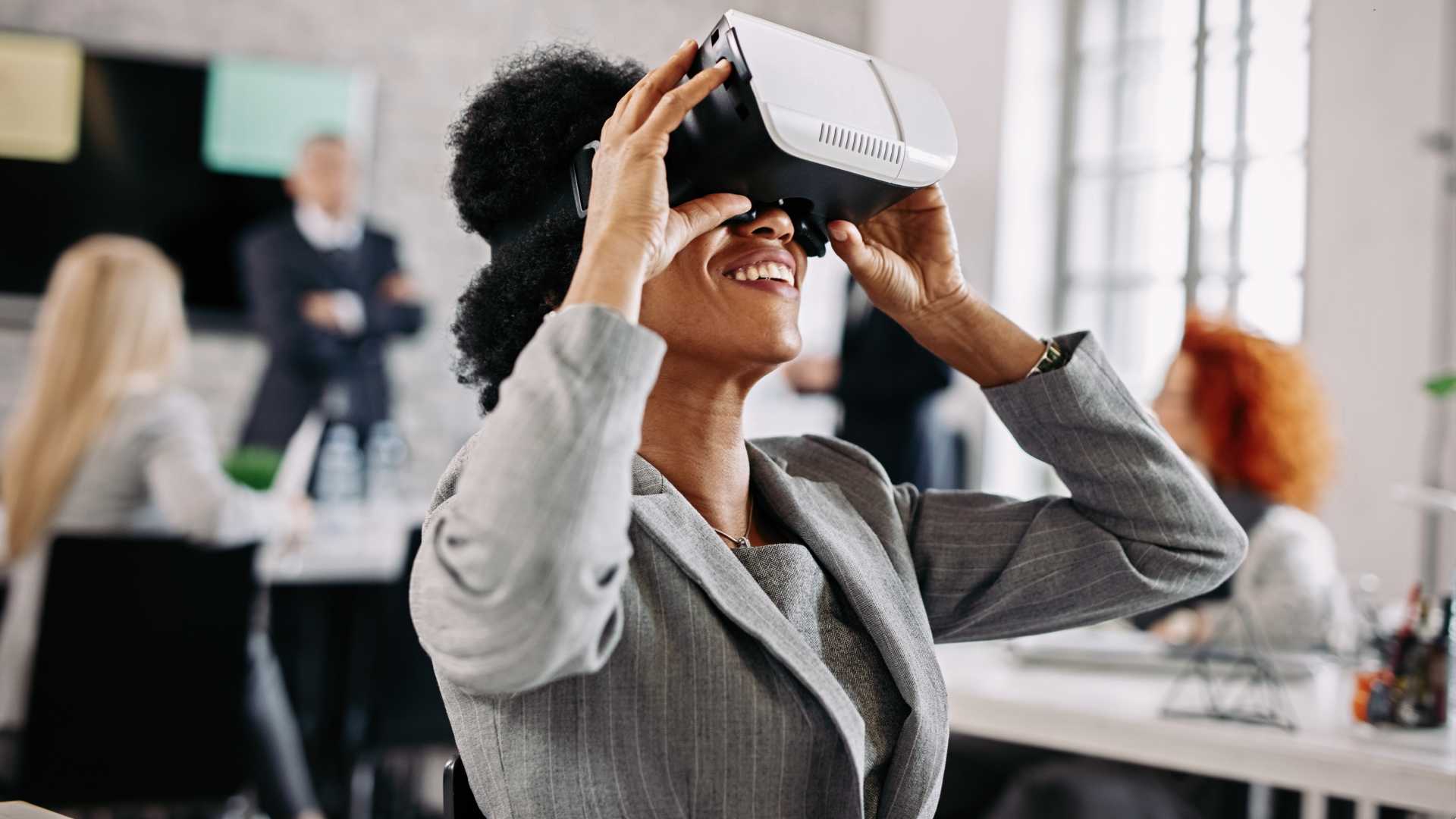
Modern organizations are increasingly turning to advanced technologies to prepare individuals for real-world challenges. One of the most impactful innovations in this space is the simulation-based training platform, which combines immersive environments with interactive learning to create highly effective training experiences. By moving beyond traditional classroom methods, these platforms enable people to actively engage in realistic scenarios, improving both skill development and decision-making under pressure.
Benefits of Using Simulation-Based Training Platform
A simulation-based training platform helps replicate real-life situations with a high level of accuracy and control. Using virtual reality and advanced computing, it places trainees inside lifelike environments where they can practice responding to complex situations. These platforms are particularly valuable in fields that require quick thinking, precision, and adaptability, as they allow individuals to rehearse critical tasks without real-world risks.
One of the defining features of modern simulation platforms is their immersive quality. High-fidelity visuals, spatial audio, and interactive environments create a sense of presence that closely mirrors real-world conditions. This level of realism enhances engagement and helps trainees respond more naturally, as if they were in an actual situation. Unlike passive learning methods, immersive simulations encourage active participation, which significantly improves retention and practical understanding.
Another key advantage is the flexibility and customization these platforms offer. It gives trailers the flexibility to design, modify, and adapt simulations based on specific training objectives. Whether the focus is on communication, crisis response, or technical skills, scenarios can be tailored to reflect real-world challenges relevant to the organization. This open-ended approach allows training programs to evolve continuously and remain aligned with changing needs and standards.
Portability and accessibility also play a major role in the effectiveness of a simulation-based training platform. Many modern systems are designed to be self-contained and easy to deploy, enabling training to take place in various locations without complex infrastructure. This helps make sure that organizations can deliver consistent training experiences across different teams and environments, making it easier to scale learning initiatives.
Collaboration is another important aspect. Advanced platforms often support multiple users simultaneously, allowing trainees and instructors to interact within the same virtual environment. This multi-user capability fosters teamwork, communication, and coordinated decision-making—skills that are essential in high-stakes situations. It also enables instructors to observe performance in real time and provide immediate feedback, enhancing the overall learning experience.
A significant benefit of simulation-based training is its focus on decision-making and critical thinking. Instead of simply following instructions, trainees are placed in dynamic scenarios where outcomes depend on their choices. This encourages deeper engagement and helps individuals develop the ability to assess situations, weigh options, and act confidently. Over time, repeated exposure to such scenarios builds competence and reduces hesitation in real-world situations.
New-age simulation-based training platform tends to represent a shift toward more practical, engaging, and results-driven learning. By combining realism, flexibility, and interactive design, it equips individuals with the skills and confidence needed to perform effectively in real-life situations. As technology continues to advance, these platforms are set to play an increasingly important role in shaping the future of training across industries.