 By admin
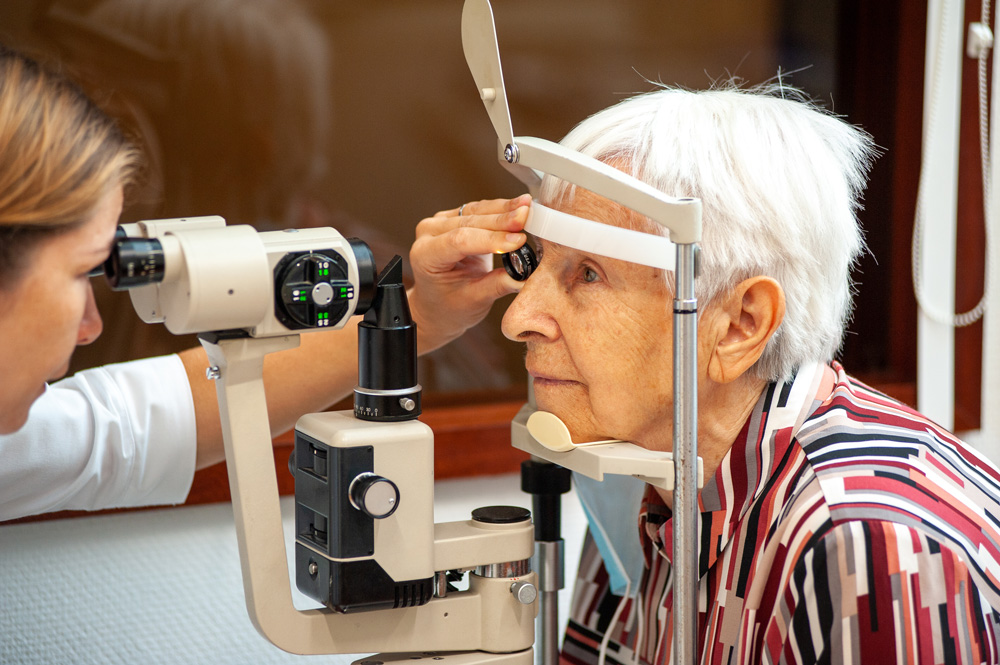
Age-related macular degeneration (AMD) is a progressive eye condition that affects millions of older adults worldwide. It damages the macula, the central part of the retina responsible for sharp, detailed vision. Everyday activities such as reading a book, recognizing familiar faces, watching television, and driving can become increasingly difficult as the condition progresses. Since the likelihood of developing AMD increases with age, finding ways to preserve vision has become an important concern for patients, families, and eye care professionals.
Although conventional management focuses on monitoring the condition, maintaining a healthy lifestyle, and using appropriate nutritional supplements, interest in more reliable treatment for macular degeneration grows. One option receiving attention is micro-current stimulation, a non-invasive technique that uses very low electrical currents.
Use of micro-current stimulation as a treatment for macular degeneration
Dry AMD is the most common form of age-related macular degeneration. It typically develops gradually as the cells and supporting structures within the macula undergo age-related changes. Over time, these changes can interfere with the retina’s ability to process visual information, leading to difficulties with central vision. Hence, seeking out appropriate treatment for macular degeneration is essential.
Micro-current stimulation is a technique that delivers very low-intensity electrical currents to the body. In certain vision-related applications, specialized equipment is used to deliver these signals around the closed eyelids, with the intention of influencing the underlying retinal tissue.
When electrical stimulation is used around the eyes, the intensity and delivery of the current require careful consideration. The eye is a delicate organ, and any treatment intended to influence retinal function must be designed and administered with appropriate safety precautions. Micro-current devices use low-intensity electrical signals rather than the stronger currents associated with some other forms of electrical stimulation. Depending on the equipment and treatment protocol, patients may experience little or no noticeable sensation during a session.
One feature that makes micro-current stimulation appealing to some patients is its non-surgical nature. Unlike procedures that require incisions or injections, this approach is designed to deliver stimulation externally, without instruments entering the eye.
Although the precise process varies according to the device and clinic, a typical appointment may involve the following steps.
- Preparing for treatment: The patient sits or reclines in a comfortable chair while the practitioner reviews the treatment plan and explains the procedure. Depending on the clinic’s protocol, the practitioner may also check for contraindications or ask about recent changes in vision.
- Positioning the device: Specially designed applicators or eye cups are placed over the closed eyelids when the equipment is designed for this method. The practitioner positions the device according to the relevant instructions to ensure appropriate contact and delivery of the electrical signals.
- Delivering the micro-current: The device delivers low-intensity electrical stimulation for a specified period. The patient generally remains seated or reclined throughout the session. The sensation, if any, depends on the equipment and the individual’s response.
- Completing the appointment: Once the session finishes, the device is removed. The practitioner may provide instructions about follow-up appointments and explain how any changes in vision should be monitored.
Some treatment protocols may take approximately 30 minutes, although session duration varies between devices and providers. Patients should confirm the expected appointment length and treatment schedule before starting.